An intercultural
researcher
based in Japan.

NEWS


August 30, 2026

“The Present Reflected in the Future: Everyday Life in Edo Preserved in Kibyōshi ‘Future Narratives’”

40th Annual Conference of the Japanese Association for Language and Culture (Research Encouragement Award Lecture)

The University of Osaka, Minoh Campus

13:30〜15:00|Day 2


April to May, 2026

Understanding Japan in a Global Context: Tradition, Society, Education, and AI

Tokyo University of Foreign Studies Open Academy Course (Conducted in English) Organizer and Lecturer. Please register via the link below.

Online, https://tufsoa.jp/course/detail/3417

19:30-21:00


February 25, 2026

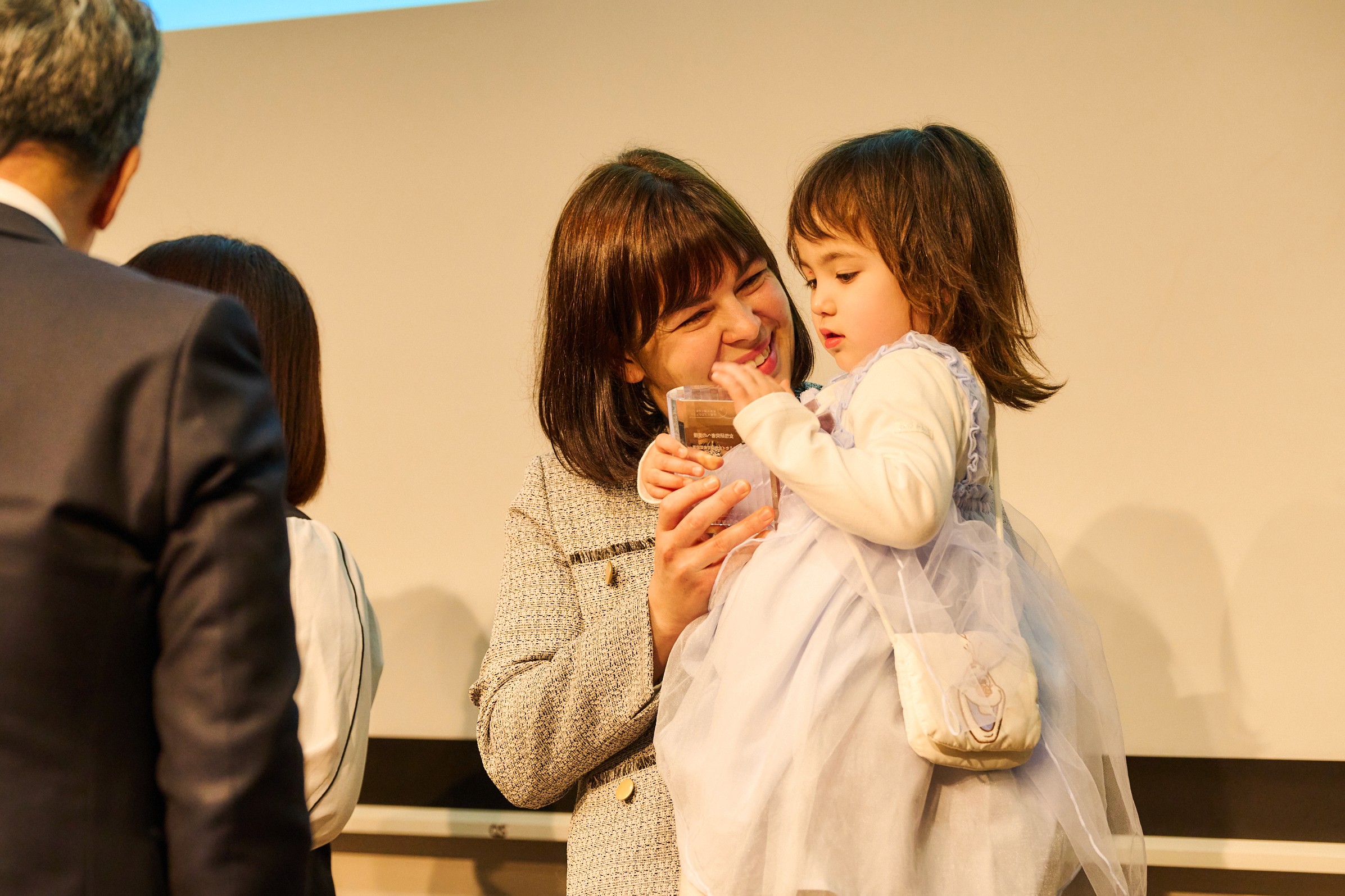
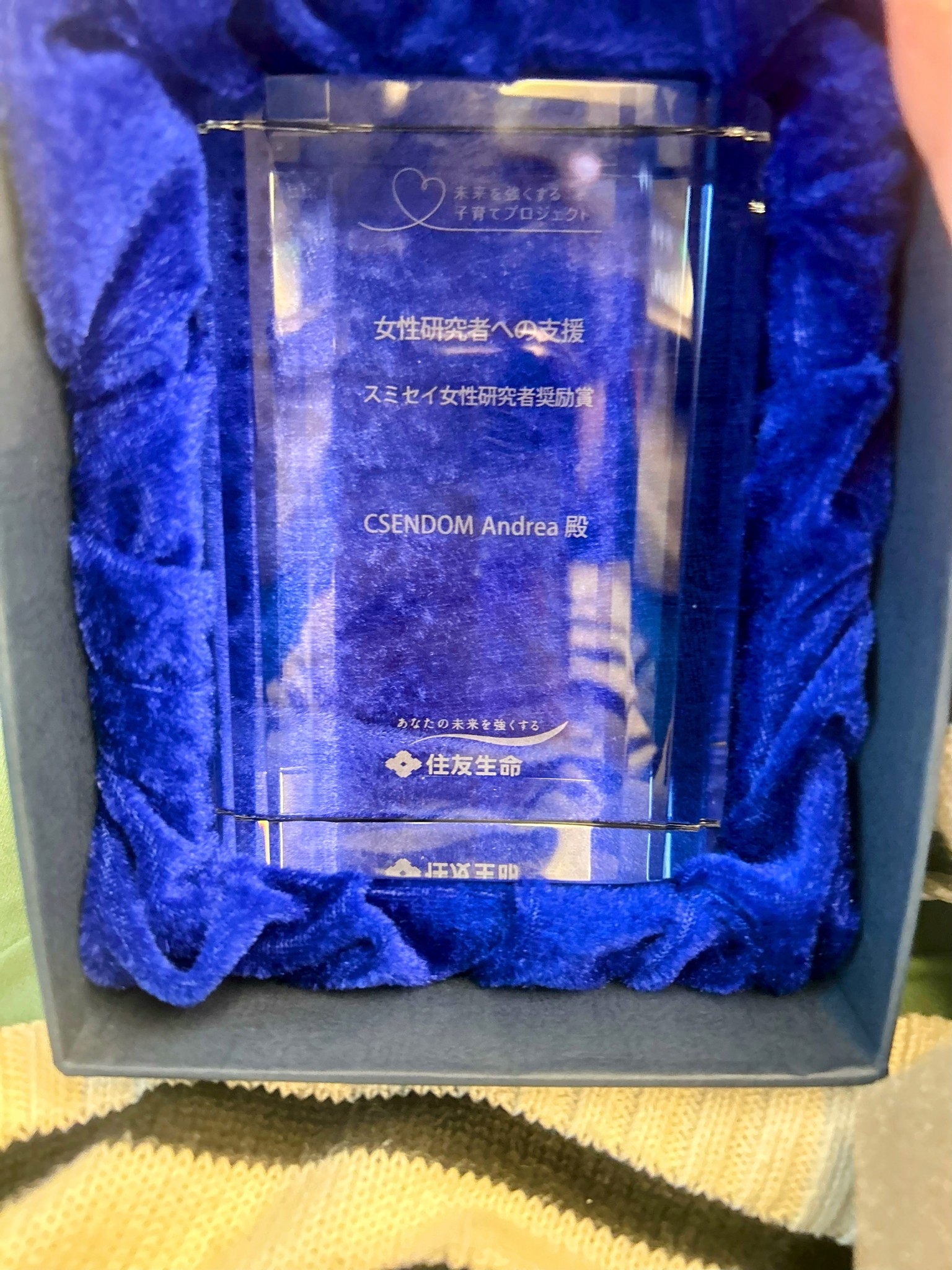
Award: 19th Sumitomo Life Women Researchers Encouragement Prizes

Research Project | “Developing Educational Materials for Communicating Japanese Culture through Edo Picture Books: Toward Dialogue and Practice Connecting the Present and the World”

https://www.sumitomolife.co.jp/about/csr/community/mirai_child/women/2025/women07.html
Your own research provides the foundation. What matters is authenticity, not looking or sounding perfect. Present what the evidence allows you to say in your own voice and on camera, with a clear sense of your intended audience.

Having a voice and a face is where everything begins.I’m drawn to stories that move across language, culture, and time.Whether it’s studying history, understanding others, or sharing your own experience, real connection happens when we truly see and hear one another.That’s where learning starts. That’s where meaning lives.

INTERCULTURAL STUDY

Philosophy

“Go Beyond Yourself”

When I was eight, I sang the Japanese theme song from Ginga: Nagareboshi Gin in Hungary without understanding its meaning. Around twenty, I finally understood the words Jibun wo koete yukunda (“Go beyond yourself.”) They remain my motto today. The everyday lives of people in Edo remind us how deeply the past and present are connected. In every age, people laugh, grieve, struggle, and reexamine themselves through new encounters and experiences. Growing up in Hungary and studying in Japan have helped me discover new possibilities within myself. Through education, I hope to create opportunities for others to broaden their perspectives and discover their own possibilities.

Philosophy

“Go Beyond Yourself”

When I was eight, I sang the Japanese theme song from Ginga: Nagareboshi Gin in Hungary without understanding its meaning. Around twenty, I finally understood the words Jibun wo koete yukunda (“Go beyond yourself.”) They remain my motto today. The everyday lives of people in Edo remind us how deeply the past and present are connected. In every age, people laugh, grieve, struggle, and reexamine themselves through new encounters and experiences. Growing up in Hungary and studying in Japan have helped me discover new possibilities within myself. Through education, I hope to create opportunities for others to broaden their perspectives and discover their own possibilities.

Philosophy

“Go Beyond Yourself”

When I was eight, I sang the Japanese theme song from Ginga: Nagareboshi Gin in Hungary without understanding its meaning. Around twenty, I finally understood the words Jibun wo koete yukunda (“Go beyond yourself.”) They remain my motto today. The everyday lives of people in Edo remind us how deeply the past and present are connected. In every age, people laugh, grieve, struggle, and reexamine themselves through new encounters and experiences. Growing up in Hungary and studying in Japan have helped me discover new possibilities within myself. Through education, I hope to create opportunities for others to broaden their perspectives and discover their own possibilities.

Concept

Fundamental Concept

Our view of the world is shaped by language, culture, history, society, and personal experience. Encountering different perspectives helps us question what we take for granted and see the world anew. Through research and storytelling, I explore how people in the past understood their world and share their perspectives through picture books, videos, and other forms of expression. I call “cultural translation” the process of bringing distant cultures and histories closer and connecting past and present, self and others, and local communities and the wider world.

Concept

Fundamental Concept

Our view of the world is shaped by language, culture, history, society, and personal experience. Encountering different perspectives helps us question what we take for granted and see the world anew. Through research and storytelling, I explore how people in the past understood their world and share their perspectives through picture books, videos, and other forms of expression. I call “cultural translation” the process of bringing distant cultures and histories closer and connecting past and present, self and others, and local communities and the wider world.

Concept

Fundamental Concept

Our view of the world is shaped by language, culture, history, society, and personal experience. Encountering different perspectives helps us question what we take for granted and see the world anew. Through research and storytelling, I explore how people in the past understood their world and share their perspectives through picture books, videos, and other forms of expression. I call “cultural translation” the process of bringing distant cultures and histories closer and connecting past and present, self and others, and local communities and the wider world.

Research Mission 1

How Did People in Edo See the World?

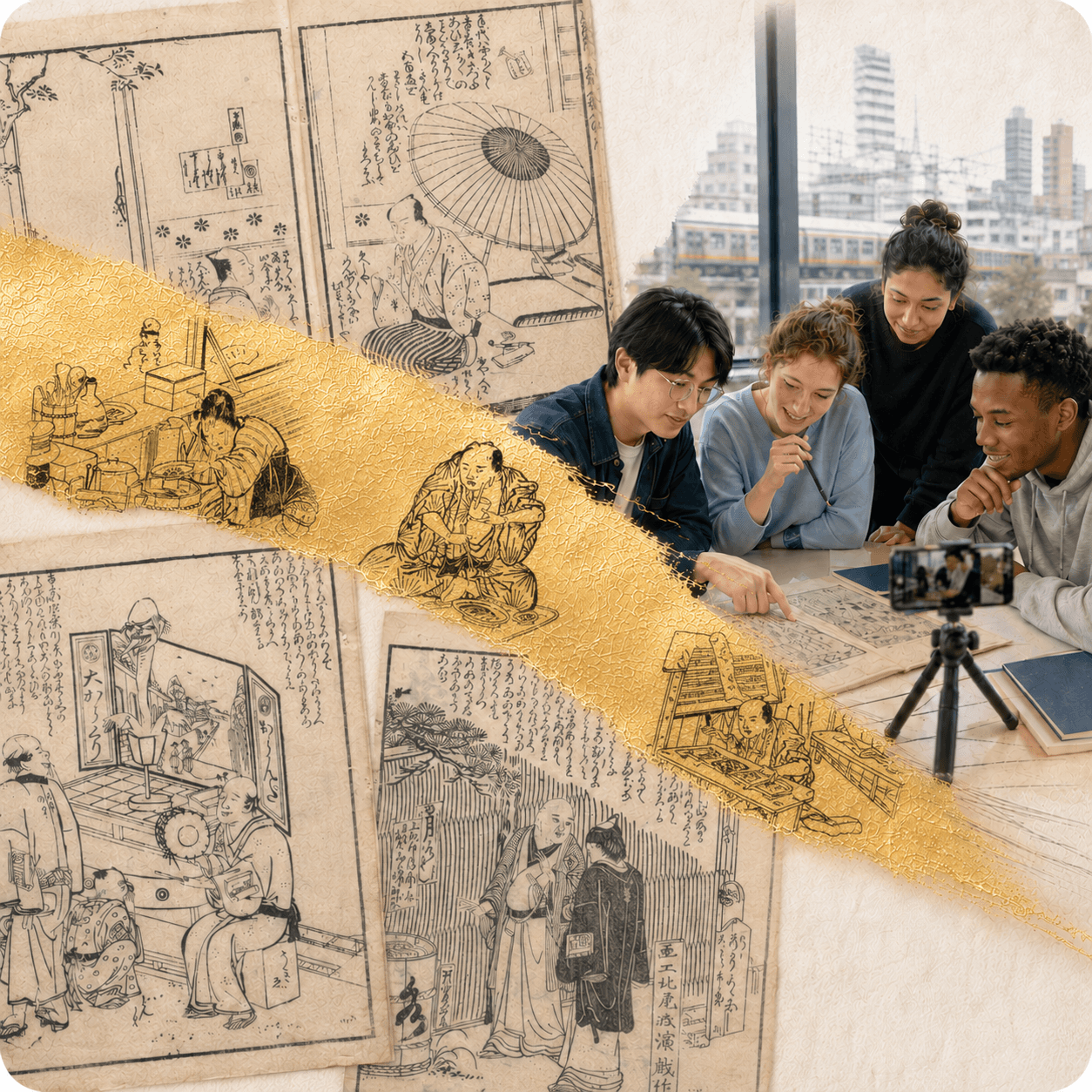
Kibyōshi were illustrated works for adult readers that became popular in late eighteenth-century Edo. Combining images and text, they depicted social events, everyday life, and contemporary trends with wit and humor. Through kibyōshi and other Edo-period illustrated books, I explore how ordinary people understood their society and daily lives. I examine their words and images alongside essays, diaries, official notices, and health manuals to trace understandings of the body, society, and nature. By focusing on familiar acts such as using an umbrella, taking medicine, working, and laughing, I uncover the knowledge and values rooted in everyday life in Edo.

Research Mission 1

How Did People in Edo See the World?

Kibyōshi were illustrated works for adult readers that became popular in late eighteenth-century Edo. Combining images and text, they depicted social events, everyday life, and contemporary trends with wit and humor. Through kibyōshi and other Edo-period illustrated books, I explore how ordinary people understood their society and daily lives. I examine their words and images alongside essays, diaries, official notices, and health manuals to trace understandings of the body, society, and nature. By focusing on familiar acts such as using an umbrella, taking medicine, working, and laughing, I uncover the knowledge and values rooted in everyday life in Edo.

Research Mission 1

How Did People in Edo See the World?

Kibyōshi were illustrated works for adult readers that became popular in late eighteenth-century Edo. Combining images and text, they depicted social events, everyday life, and contemporary trends with wit and humor. Through kibyōshi and other Edo-period illustrated books, I explore how ordinary people understood their society and daily lives. I examine their words and images alongside essays, diaries, official notices, and health manuals to trace understandings of the body, society, and nature. By focusing on familiar acts such as using an umbrella, taking medicine, working, and laughing, I uncover the knowledge and values rooted in everyday life in Edo.

Research Mission 2

Intercultural Historical Competence

Intercultural Historical Competence (IHC) is the ability to approach history not merely as a set of facts, but by recognizing our own assumptions and, on the basis of historical evidence, asking what may have seemed normal, meaningful, or understandable to people living in another time. Using Edo-period sources and popular culture as a starting point, IHC moves from a historically situated understanding toward connections with modern Japan, our own cultural backgrounds, and broader global perspectives. Its aim is to respect historical and cultural differences while identifying points of human connection and communicating them to others.

Research Mission 2

Intercultural Historical Competence

Intercultural Historical Competence (IHC) is the ability to approach history not merely as a set of facts, but by recognizing our own assumptions and, on the basis of historical evidence, asking what may have seemed normal, meaningful, or understandable to people living in another time. Using Edo-period sources and popular culture as a starting point, IHC moves from a historically situated understanding toward connections with modern Japan, our own cultural backgrounds, and broader global perspectives. Its aim is to respect historical and cultural differences while identifying points of human connection and communicating them to others.

Research Mission 2

Intercultural Historical Competence

Intercultural Historical Competence (IHC) is the ability to approach history not merely as a set of facts, but by recognizing our own assumptions and, on the basis of historical evidence, asking what may have seemed normal, meaningful, or understandable to people living in another time. Using Edo-period sources and popular culture as a starting point, IHC moves from a historically situated understanding toward connections with modern Japan, our own cultural backgrounds, and broader global perspectives. Its aim is to respect historical and cultural differences while identifying points of human connection and communicating them to others.

Research Mission 3

Open Up Historical Knowledge

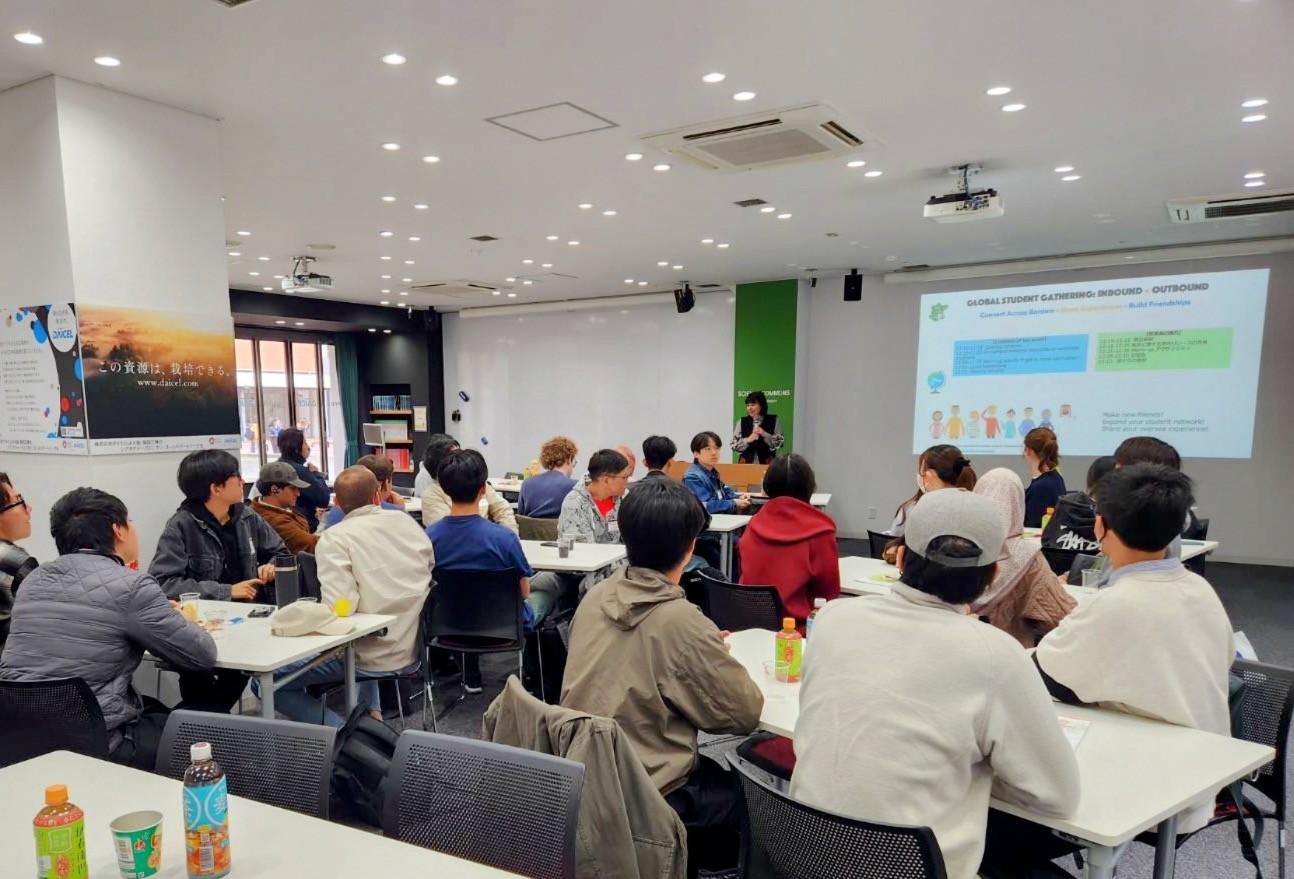
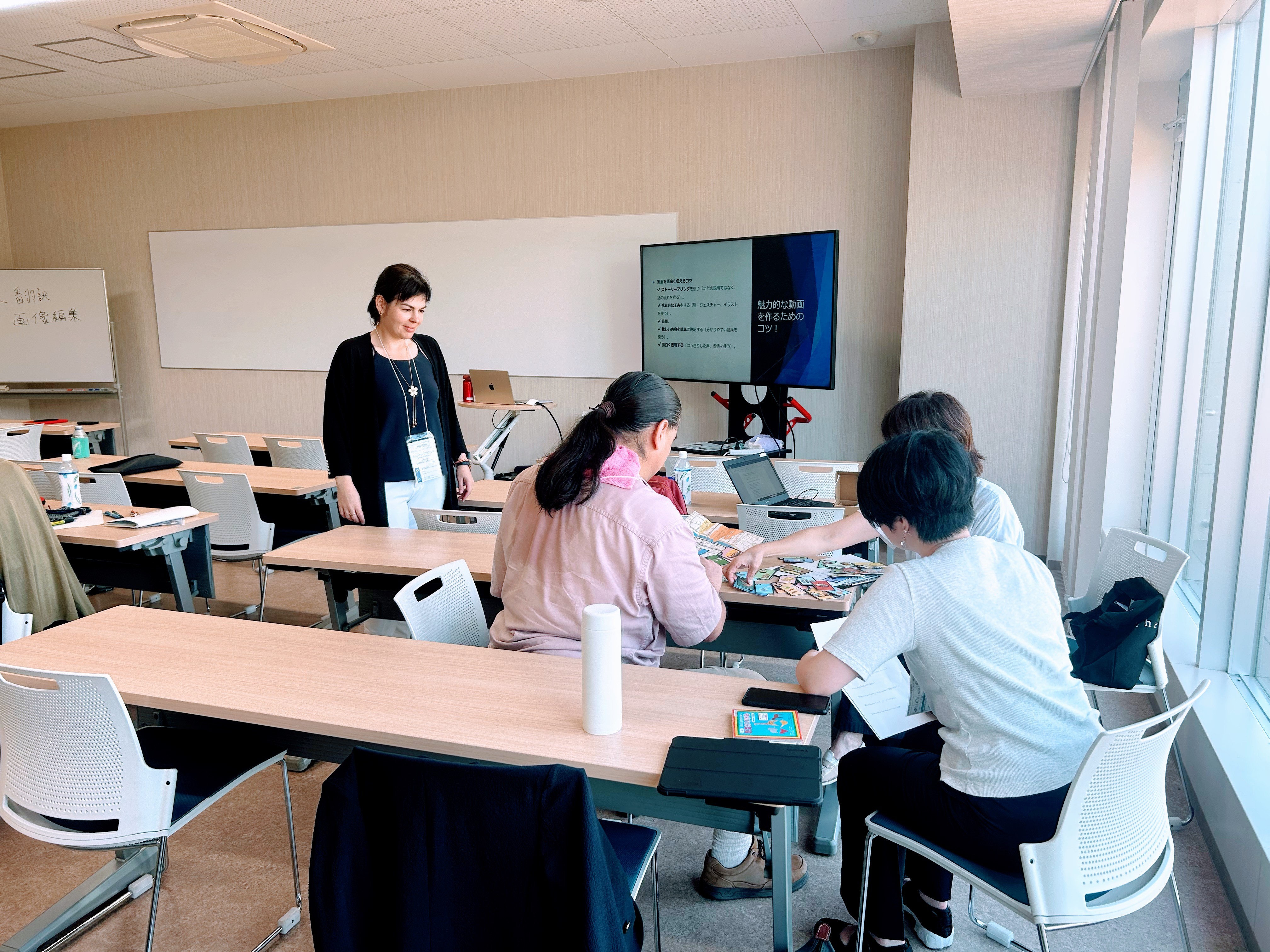
Students from diverse cultural and academic backgrounds interpret historical sources, reassess their assumptions, and deepen their understanding through dialogue. By sharing their findings in short videos, they put IHC into practice. I am developing an educational model that integrates research, intercultural understanding, storytelling, and digital communication to make historical knowledge accessible beyond specialist communities.

Research Mission 3

Open Up Historical Knowledge

Students from diverse cultural and academic backgrounds interpret historical sources, reassess their assumptions, and deepen their understanding through dialogue. By sharing their findings in short videos, they put IHC into practice. I am developing an educational model that integrates research, intercultural understanding, storytelling, and digital communication to make historical knowledge accessible beyond specialist communities.

Research Mission 3

Open Up Historical Knowledge

Students from diverse cultural and academic backgrounds interpret historical sources, reassess their assumptions, and deepen their understanding through dialogue. By sharing their findings in short videos, they put IHC into practice. I am developing an educational model that integrates research, intercultural understanding, storytelling, and digital communication to make historical knowledge accessible beyond specialist communities.

WORKS


Through research and teaching, I explore how the perspectives of kibyōshi readers in early modern Japan, shaped by language, culture, and history, can be interpreted, translated, and shared across time and cultures, encouraging students from diverse backgrounds to reconsider their ways of seeing the world.

I explore how individuals navigate layered identities through language, culture, and history. My key concepts: Interwoven Existence and Intercultural Historical Competence. How to bridge the past and present, encouraging students and readers to see culture not as fixed, but as something lived, shared, and translated.

ABOUT ME

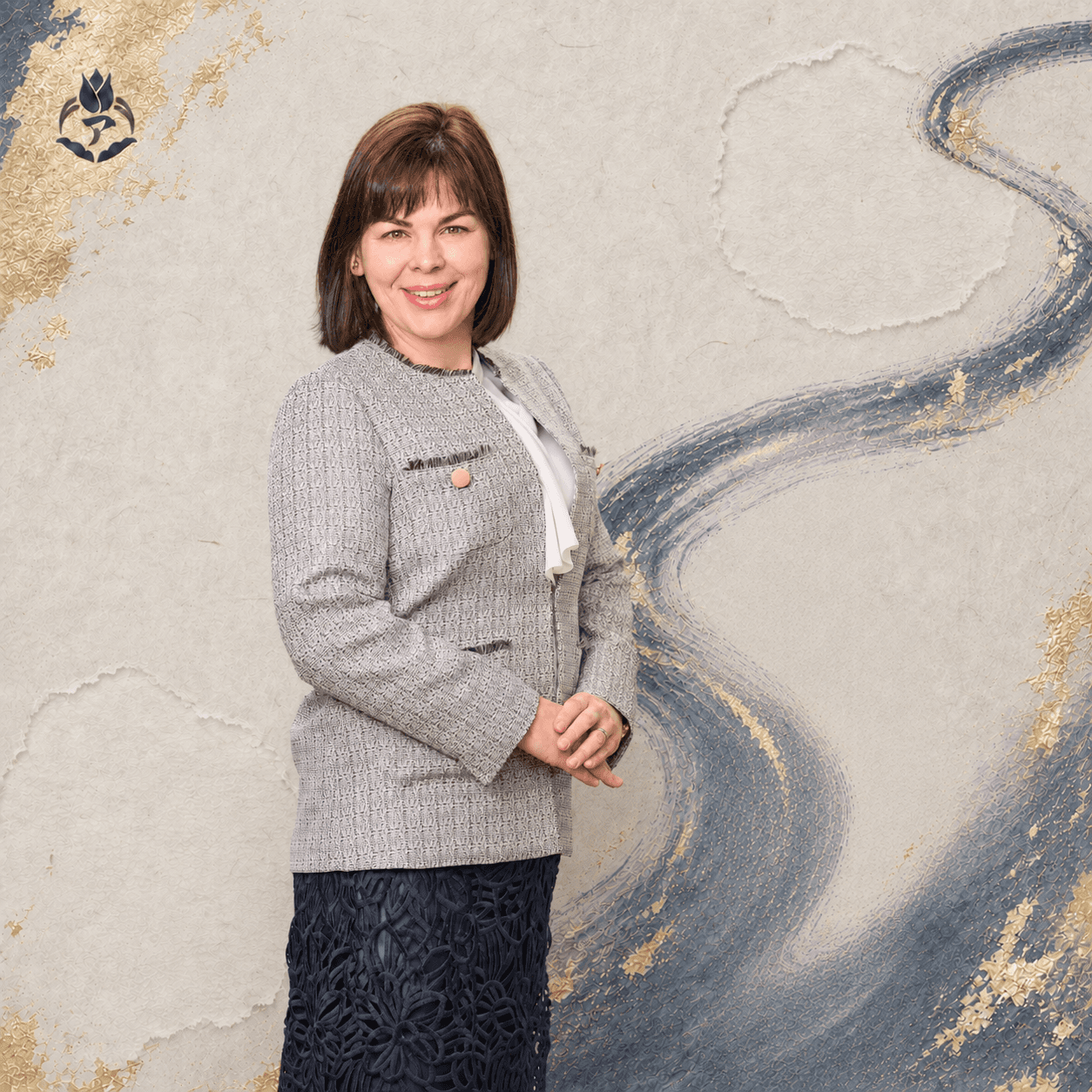
I’m Andrea Csendom, a Hungarian researcher and educator at the University of Osaka. My work brings together the intellectual history of early modern Japan, multicultural education, intercultural communication, and digital storytelling. Through teaching, workshops, international programs, and multilingual YouTube content, I make historical knowledge accessible beyond academia and connect people across cultures.

I’m Andrea Csendom, a researcher and educator from Hungary, currently based in Japan.My work bridges cultures, languages, and eras,exploring how we express, understand, and share who we are.
I teach at Osaka University and run a bilingual YouTube channel where I explore Japanese culture and history.But more than just explaining the past, I’m passionate about helping people communicate their culture clearly, confidently, and with their true voice.
For me, education is not only about learning.It’s about creating space for expression, connection, and mutual understanding.

Biography

Birth

Originally from Debrecen, Hungary

2015

Completed M.A. in Social Studies at Hitotsubashi University, Tokyo

2021

Received a Ph.D. in Japanese Cultural Studies from Eötvös Loránd University, Budapest

2023 to 2025

Visiting Scholar at Tokyo University of Foreign Studies

Now

Assistant Professor at the Center for International Education and Exchange, The University of Osaka

Social Contribution Activities

April 2026–Present

Committee Member, Support and Utilization Committee, Consortium for International Student Support in Osaka

April 2026–Present

Committee Member, Support and Utilization Committee, Consortium for International Student Support in Osaka

July 2025–Present

Japanese Culture Research Group, Japanese Association for International Student Education, JAISE

July 2025–Present

Japanese Culture Research Group, Japanese Association for International Student Education, JAISE

September 2024 to March 2025

Guest lectures and outreach classes at high schools and civic organizations

September 2024 to March 2025

Guest lectures and outreach classes at high schools and civic organizations

April 2024–March 2025

Lecturer, JSPS “Science Dialogue” Program

April 2024–March 2025

Lecturer, JSPS “Science Dialogue” Program

August 2023 – March 2025

Foreign Resident Committee Member, Mitaka International Roundtable Conference

August 2023 – March 2025

Foreign Resident Committee Member, Mitaka International Roundtable Conference

Selected Awards

2026

Research Encouragement Award, the Japan Association of Language and Culture

2026

19th Sumitomo Life Women Researchers Encouragement Prizes

2011

3rd Prize, National Scientific Students’ Conference (Hungary, Humanities – East Asian Studies): “Japan and Impressionism: The Effect of Ukiyo-e”

2010

Finalist, Takano Chōei Literary Award: “The Death of Csenge”

2009

2nd Prize, Japanese Language Speech Contest (Advanced category, Hungary): “Gratitude”

Professional Affiliations

EAJS (European Association for Japanese Studies)

JAISE (Japan Association for International Student Education)

World Council on Intercultural and Global Competence – Interdisciplinary Working Group Member

JALC (Japan Association for Language and Culture)

Early Modern Japanese Literature Association

Publishing

2026

Introduction to Intercultural Communication: Six Stages toward Mutual Understanding Edited by Akito Okada. Co-authored.(Contribution: Andrea Csendom, “Characteristics of Japanese Language, Culture, and Communication,” pp. 94–115.)

Minerva Shobo (ISBN: 9784623100026)

2021

From the Dream of Kinkin Sensei to the Fight between Good and Bad Souls: Hungarian Translation of Three Kibyōshi from the End of the 18th Century

Ráció Publishing (ISBN: 9786155675522)